
Using Fuel Dispensers in Hot, Dusty Climates: What to Consider Before Installation
The climate where a dispenser is installed affects how easy it is to use and how long its parts last. Here are the points worth considering before installation in hot, dusty regions.
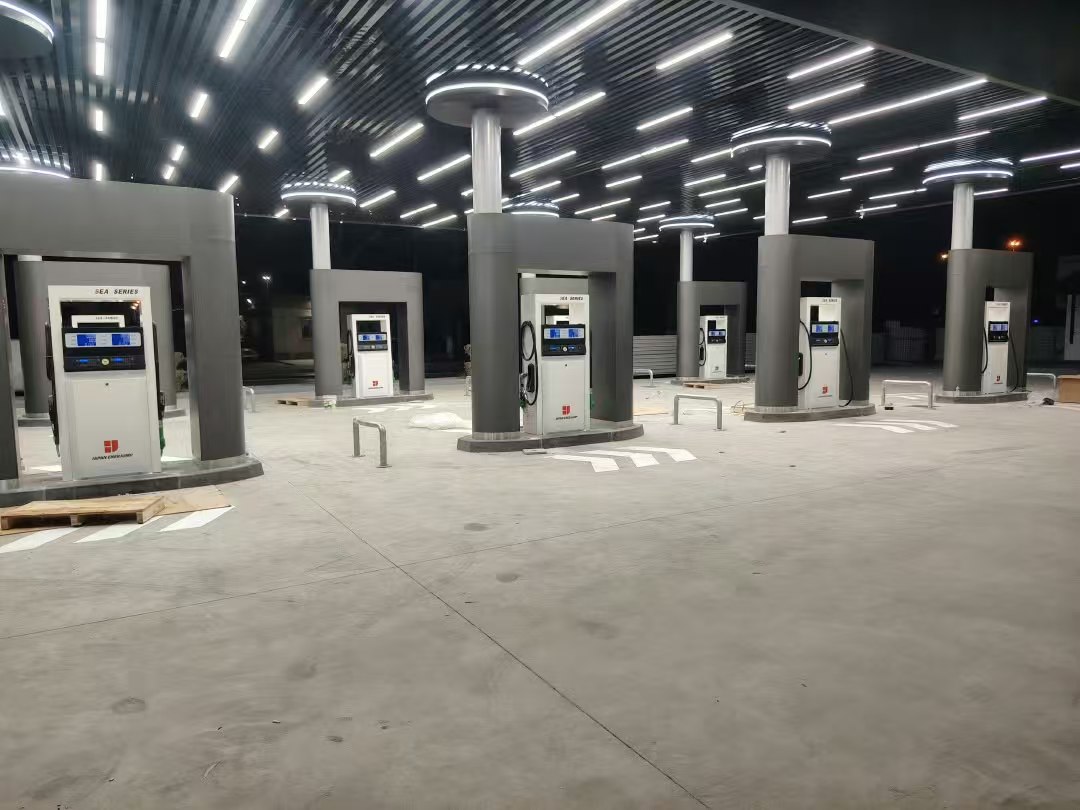
1. Think about shade
Direct strong sunlight can heat up the dispenser body and hoses and make the display hard to read. A canopy over the dispenser makes it easier to keep direct sunlight off it.
2. Dust and filters
Where there is a lot of dust, debris can get into the fuel and clog filters more easily. A clogged filter can weaken the flow of fuel. In such conditions, it is important to check the filters more often.
3. Hose and nozzle wear
Heat, strong sunlight and abrasion from sand can make hoses, nozzles and seals deteriorate faster. If a routine check turns up cracks or hardening, replace the part early.
4. Covers and cleaning
Clean the dispenser regularly so sand and dust do not build up inside it or around the display, and make sure doors and covers are closed properly. Turn the power off before cleaning.
5. A stable power supply
A dispenser runs on the local supply (220 V or 380 V three-phase). If the supply is unstable at your site, check it in advance, and talk to a local electrical specialist about protecting the equipment.
6. Keep extra spare parts
Where wear parts wear out faster, it is wise to keep a larger stock of hoses, nozzles, filters and seals as spares.
What to tell us when you contact us
- The climate where you will install (typical peak temperatures, how dusty it is)
- The installation location (with or without a roof, outdoor or indoor)
- The state of the power supply
- The fuel types you will handle
If you have questions about choosing a fuel dispenser, contact us through enerjump.com.