
Fuel Dispenser Routine Checks and Parts Replacement: A Practical Guide
A fuel dispenser keeps running reliably when it is checked regularly and its parts are looked after. In this article we share general guidelines for routine checks and how to think about wear parts.
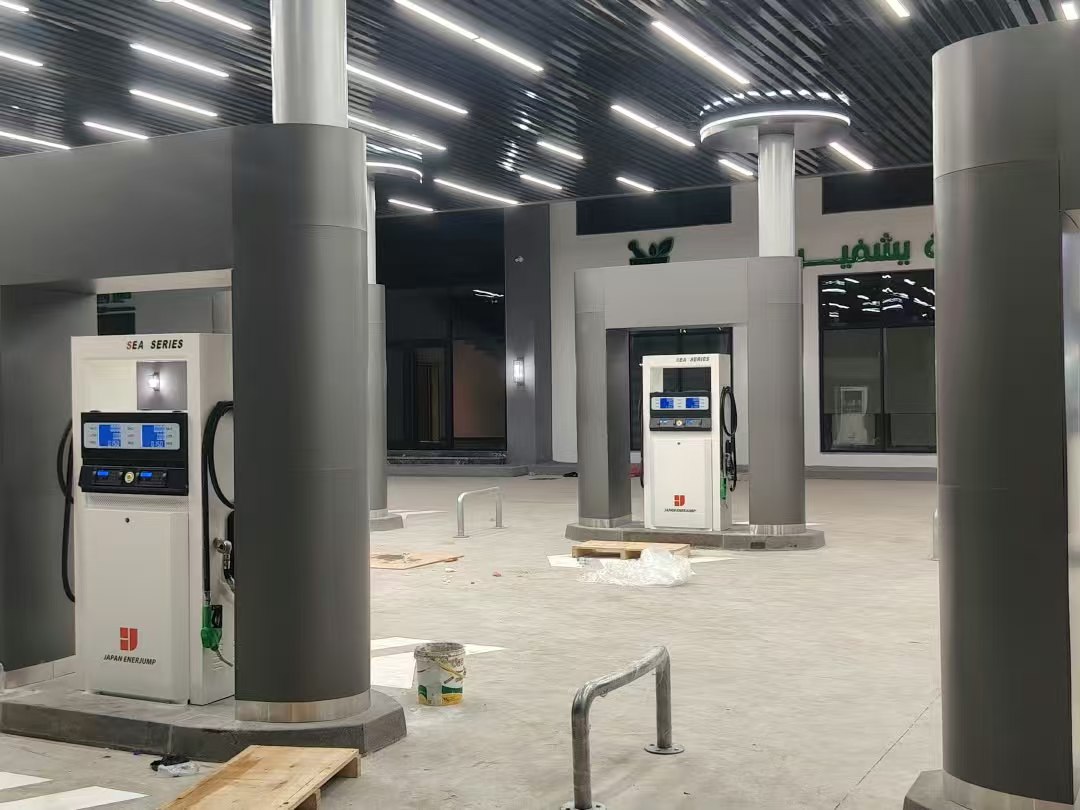
1. A guide to routine checks
What you check and how often depends on usage and the site. As a general guide:
- Daily: look over the hoses and nozzles for cracks and wear. Check around the dispenser for fuel leaks, and confirm the display and buttons work.
- Weekly: inspect the hoses and nozzles more closely. Check the condition of the filters to keep fuel flow steady, and clean them when needed (having a specialist do this is generally recommended).
- Monthly: check the pump and motor for wear or damage, and confirm that locks and seals are intact.
- Yearly: verify metering accuracy. This is normally done by a specialist, together with a full inspection.
2. What wear parts are
Parts that wear down gradually with use are called wear parts. On a dispenser they are mainly:
- Hoses: they can crack or wear from bending and pulling.
- Nozzles: used at every fill, so their springs and seals wear.
- Filters: they remove debris from the fuel and need regular cleaning or replacement.
- Seals and gaskets: they prevent leaks and harden with age.
How often to replace them depends on volume, fuel type and climate. If a check turns up a problem, it is best to replace the part early.
3. Plan spare parts for overseas sites
Overseas, parts are not always available when you need them. When you order a dispenser, we recommend preparing wear parts as spares in advance. Hoses, nozzles, filters and seals are worth having on hand.
4. Keep a record
Recording the date and result of each check, and the date a part was replaced, makes it easier to judge when the next replacement is due. It also helps you trace the cause if something goes wrong.
What to tell us when you ask about parts
- The series of dispenser you use
- The parts you need (hoses, nozzles, filters and so on)
- Size and bore (a photo of the actual part helps)
If you have questions about parts, contact us through enerjump.com.